Waste-to-Energy
Waste-to-energy is the recovery of usable energy, such as biogas, bio-CNG or refuse-derived fuel, from waste that would otherwise be landfilled.
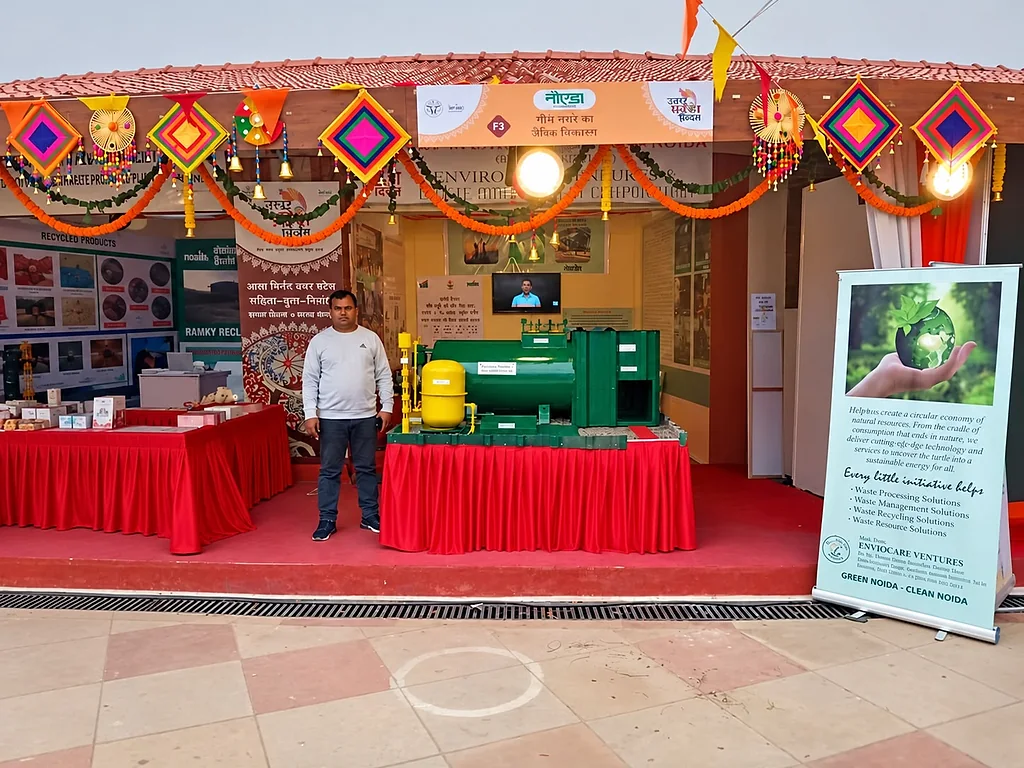
Wet waste is the largest stream most sites produce, and it is full of energy. We set up biomethanation and composting for organic waste, and turn dry non-recyclables into refuse-derived fuel (RDF) for cement kilns and industrial boilers. The Solid Waste Management Rules, 2026 now require industries to raise their use of RDF in stages, so demand for it is growing.
What is included
- On-site organic waste converters
- Composters and small biogas units for bulk waste generators that must process wet waste on site.
- Biomethanation and bio-CNG
- Design support and operations for biogas plants that turn food waste into gas and slurry manure.
- Refuse-derived fuel (RDF)
- Shredding and drying of non-recyclable combustibles into fuel for co-processing.
- Compost and manure
- Finished compost for gardens, farms and landscaping.
- Feasibility studies and DPRs
- Technical and financial reports for municipal and private waste-to-energy projects.
- Operations and maintenance
- Trained operators and upkeep for existing plants.
How it works
-
Assess feedstock
Quantity, composition and moisture of the waste available.
-
Choose the technology
Composting, biomethanation or RDF, based on volume and space.
-
Install or link
On-site unit, or tie-up with an existing processing plant.
-
Operate and report
Output tracked in tonnes processed, gas generated or fuel supplied.
What you receive
- Feasibility report or DPR
- Processing records for bulk waste generator compliance
- RDF supply records for co-processing
- Output and diversion reports
Rules this helps you meet
- Solid Waste Management Rules, 2026 (on-site processing and RDF use)
- SATAT scheme for compressed biogas (MoPNG)
Questions about waste-to-energy
What is refuse-derived fuel (RDF)?
RDF is fuel made from the combustible, non-recyclable part of dry waste, such as soiled plastics, textiles and paper, after shredding and drying. Cement kilns and industrial boilers burn it in place of part of their coal.
Our society must process wet waste on site. Can you help?
Yes. We size and install an organic waste converter or composter for your daily quantity, train staff, and can operate it. Where on-site processing is not possible, we can help you meet your duty through an authorised processor.
Is waste-to-energy safe?
Biomethanation and composting are low-emission biological processes. RDF co-processing in cement kilns burns at very high temperatures under Pollution Control Board norms. We only work with plants that hold valid consents.
Related services
Talk to us about waste-to-energy.
Share your site, waste type and approximate quantity. We will reply with a clear scope and price.